
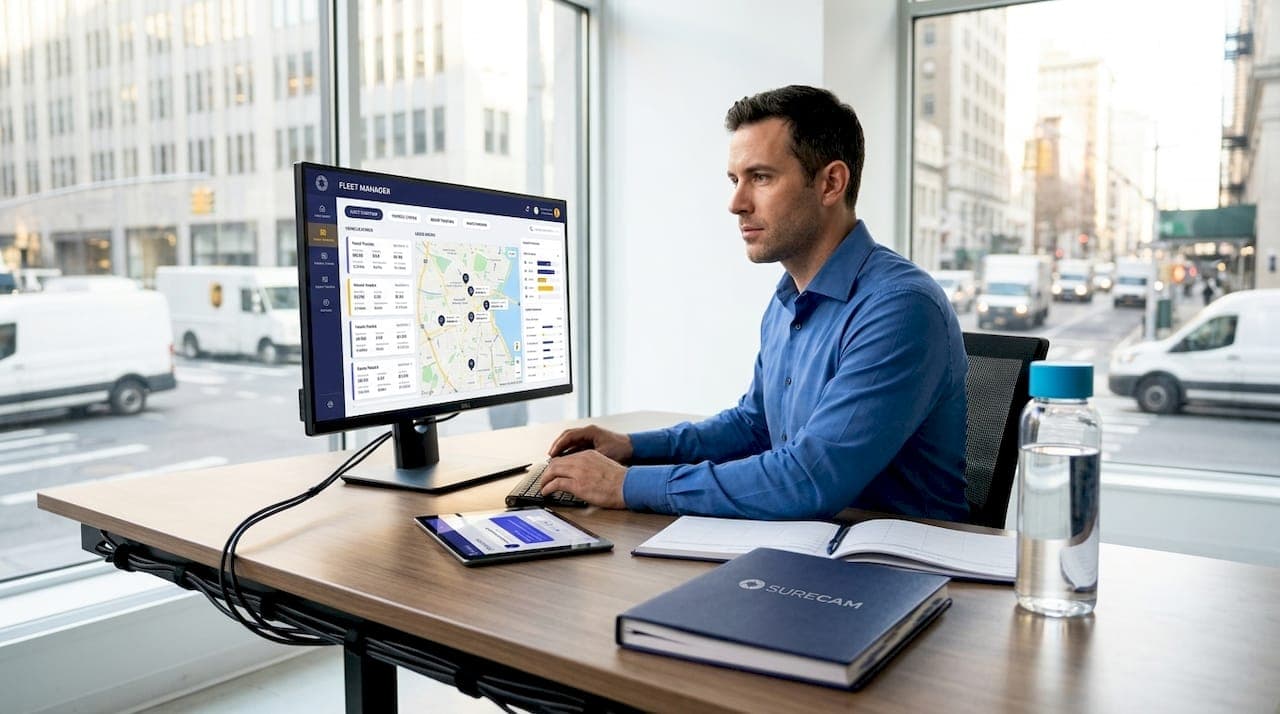
Fleet telematics is widely misunderstood as little more than a GPS dot on a map. In reality, modern fleet telematics is a multi-layered system that collects, transmits, and analyzes real-time vehicle data to support decisions across safety, maintenance, fuel management, and driver performance. Commercial vehicle operators who treat telematics as just a tracking tool leave significant value on the table. This guide breaks down exactly what fleet telematics includes, how the data moves through your organization, and how to convert raw information into measurable improvements for your fleet.
Table of Contents
- What is fleet telematics?
- How fleet telematics improves safety and driver behavior
- Beyond tracking: Operational efficiency and maintenance gains
- Key considerations: Privacy, data governance, and camera use
- Turning fleet telematics data into action
- Why actionable insights—not more data—are the secret to telematics success
- See how fleet telematics can transform your operations
- Frequently asked questions
Key Takeaways
| Point | Details |
|---|---|
| More than tracking | Fleet telematics brings together vehicle data, driver behavior, and cloud insights to power smarter decisions, not just location tracking. |
| Safety benefits | Telematics systems can reduce accidents and insurance costs by enabling targeted driver coaching and instant feedback. |
| Efficiency gains | Real-time data transforms routing, maintenance, and fuel use—leading to measurable savings quickly. |
| Privacy matters | Success with telematics requires clear privacy policies, limiting access and retention for video and driver data. |
| Action is key | The most effective fleets prioritize acting on telematics data, not simply collecting it. |
What is fleet telematics?
Fleet telematics is more than a location feed. As defined by the U.S. Department of Energy, fleet telematics is a system that collects and transmits vehicle data, commonly via GPS and vehicle diagnostics, to a central platform for analysis and operational actions. That definition covers a broad range of inputs, from engine health signals to video footage captured by dash cameras.
The hardware side typically includes GPS trackers, on-board diagnostics (OBD) port adapters, and connected cameras. The software side is a cloud-based dashboard where fleet managers view live data, generate reports, and configure alerts. Understanding vehicle tracking basics is a useful starting point, but telematics goes considerably further by integrating diagnostics and behavioral data alongside location.
Here is a look at the most common data points fleet telematics collects and how each is used in practice:
| Data point | What it measures | Practical use |
|---|---|---|
| GPS location | Real-time vehicle position | Route confirmation, dispatch, theft recovery |
| Vehicle speed | Instantaneous and average speed | Speeding alerts, insurance reporting |
| Engine diagnostics | Fault codes, idle time, fuel use | Preventive maintenance scheduling |
| Harsh events | Braking, acceleration, cornering | Driver coaching, accident reconstruction |
| Driver ID | Who is operating the vehicle | Accountability, shift tracking |
| Video footage | Forward or dual-facing camera feed | Incident review, liability protection |
The key distinction between basic GPS tracking and full telematics is the depth of insight. GPS alone tells you where a vehicle is. Telematics tells you where it is, how it got there, how the driver behaved along the way, and whether the engine needs attention before the next shift. For fleet managers who are accountable for safety outcomes and operational costs, that difference is significant.
An introduction to fleet telematics clarifies that the goal is not surveillance for its own sake. It is about giving managers the visibility they need to make better decisions faster. Whether that means rerouting a vehicle, scheduling a maintenance appointment, or coaching a driver after a harsh braking event, telematics makes the data available when and where it is needed.
How fleet telematics improves safety and driver behavior
With a solid grasp of what telematics does, let's explore its safety impact. Safety is consistently cited as the primary reason fleets adopt telematics systems. The evidence is clear: real-time visibility into driver behavior reduces risk before incidents become costly claims.
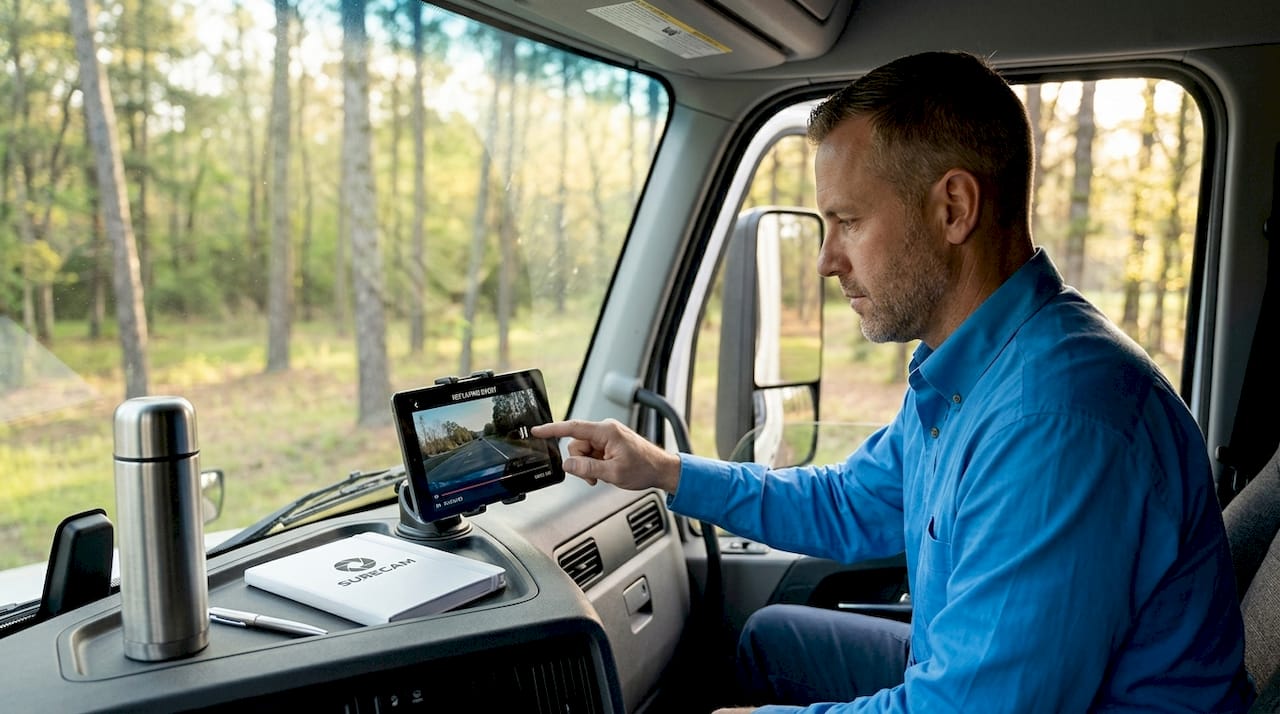
A core safety use of fleet telematics is monitoring driving behavior and providing real-time and post-trip feedback, plus event notifications such as harsh driving and crash-type events, depending on how the system is configured. This loop between data capture and feedback is what separates a passive tracking tool from a genuine safety platform.
Here is how the process works in a typical commercial fleet:
- Data capture. The telematics device continuously records speed, braking force, acceleration rate, and cornering behavior using the vehicle's OBD port and onboard sensors.
- Event detection. When a driver exceeds a configured threshold, such as braking harder than 0.4g, the system flags the event and timestamps it with location data.
- Alert delivery. The fleet manager receives a notification through the dashboard or mobile app, often within seconds of the event.
- Video review. If a dash camera is connected, managers can pull the footage tied to that specific event to understand exactly what happened.
- Coaching session. The manager reviews the event with the driver, using both the telematics report and the video as objective evidence rather than subjective recollection.
- Tracking improvement. Subsequent events are monitored to measure whether behavior changes over time.
This process directly reduces accident frequency. Fleets focused on improving fleet safety through telematics have reported reductions in insurance premiums once carriers see documented evidence of coaching programs and declining incident rates. The financial impact compounds quickly across larger fleets.
For managers handling real-time driver safety monitoring, the goal is not to generate alerts for every minor deviation. It is to catch patterns that predict serious incidents before they occur.
Pro Tip: Start with no more than three alert types when you first deploy a telematics system. Speeding, harsh braking, and seatbelt non-compliance are the highest-impact starting points. Adding too many notifications at launch overwhelms managers and causes alert fatigue, which leads to important events being missed.
Beyond tracking: Operational efficiency and maintenance gains
Safety improvements are only the start. Fleet telematics is equally powerful for operational excellence. Fleet telematics dashboards use data for safety, maintenance, and cost decisions, and each of those three categories delivers measurable return on investment.
Here are the top five operational efficiency gains fleets report after deploying telematics:
- Route optimization. Live traffic data combined with vehicle location allows dispatchers to reroute drivers around delays in real time, reducing idle time and fuel consumption.
- Preventive maintenance scheduling. Engine diagnostic alerts flag issues before they become roadside breakdowns, reducing unplanned downtime.
- Fuel management. Idle time reports and harsh acceleration data reveal where fuel is being wasted, with many fleets reducing fuel costs by measurable percentages within the first quarter of deployment.
- Theft recovery. Real-time GPS tracking allows stolen vehicles to be located and recovered quickly, reducing asset loss and insurance payouts.
- Payroll and dispatch accuracy. Verified start and stop times eliminate disputes about hours worked and support accurate billing for job-based fleets.
The comparison below illustrates how a telematics-driven approach differs from traditional fleet management in practice:
| Management area | Traditional approach | Telematics-driven approach |
|---|---|---|
| Vehicle location | Driver check-in calls | Live GPS map with historical playback |
| Maintenance scheduling | Fixed mileage intervals | Diagnostic-triggered alerts |
| Fuel monitoring | Monthly fuel card statements | Real-time idle and consumption reports |
| Driver accountability | Supervisor observation only | Objective event data with video |
| Incident response | Waiting for driver reports | Instant notification with footage |
| Route planning | Dispatcher experience | Data-driven optimization tools |
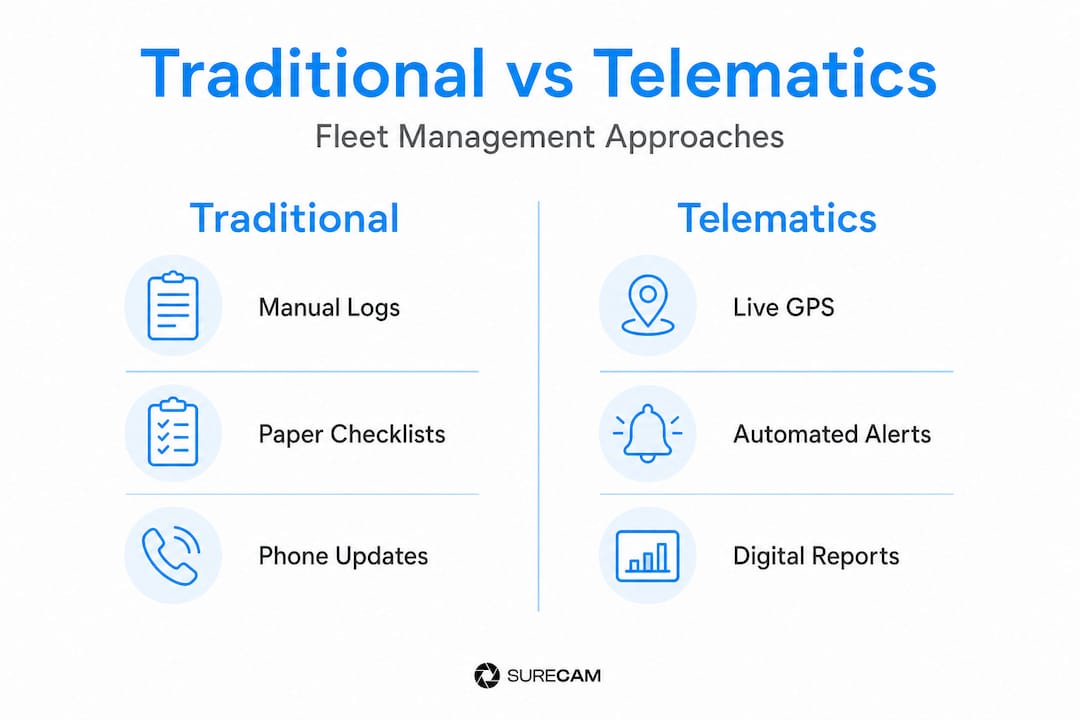
Fleets interested in saving fuel with fleet tracking often discover that idle time is the single largest avoidable cost. A vehicle idling for one hour per day across a 50-vehicle fleet adds up to thousands of dollars in wasted fuel annually. Telematics makes this visible in a way that a monthly fuel card statement simply cannot.
The return on investment from telematics accelerates when data feeds directly into existing workflows rather than sitting in reports that no one reads. Integrating telematics alerts with dispatch software, maintenance systems, and HR platforms is where the operational gains become self-sustaining. The fleet tracking guide provides additional context on how to build these integrations effectively.
Key considerations: Privacy, data governance, and camera use
Efficiency gains are significant, but only if telematics is adopted responsibly. Fleets that deploy camera-equipped systems without clear governance policies create legal and employee relations risks that can undermine the entire program.
Privacy, proportionality, and governance, including who can access footage, retention periods, and whether recording extends beyond work hours, are recognized challenges for telematics systems that include cameras. Regulators in multiple jurisdictions have issued guidance requiring employers to demonstrate that monitoring is proportionate to the stated business purpose.
Before deploying dash cameras with telematics, fleet managers should work through the following questions with their technology provider and legal team:
- Who has access to live video feeds, and is that access logged?
- How long is footage retained, and what triggers deletion?
- Does the system record when the vehicle is off-duty or parked overnight?
- Are drivers informed in writing about what is recorded and how it is used?
- Is footage shared with third parties, including insurers or legal counsel, and under what conditions?
- Does the system capture audio, and does local law require consent for audio recording?
These are not hypothetical concerns. Regulatory bodies have issued findings against employers who recorded drivers outside of working hours or retained footage longer than operationally necessary. The fleet operation management guide outlines practical steps for building a compliant telematics program from the ground up.
Pro Tip: Communicate your telematics program to drivers before deployment, not after. A brief written policy explaining what is recorded, why, who reviews it, and how it supports coaching rather than punishment significantly improves driver acceptance and reduces turnover risk.
Turning fleet telematics data into action
Ultimately, the promise of telematics is only realized when data leads to change. Many fleets invest in capable hardware and software, then fail to see results because the data never flows into structured decision-making processes.
What matters is not only capturing data but configuring thresholds, workflows, and integrations so the organization can actually act on the insights. This is the step most implementation guides skip, and it is the most important one.
Here is a practical framework for moving from data capture to measurable results:
- Define your KPIs first. Before configuring alerts, decide which metrics matter most for your fleet's specific risk profile. A utility fleet may prioritize harsh braking near work zones. A delivery fleet may focus on speeding and idle time.
- Configure alert thresholds to match your baseline. Pull 30 days of historical data before going live with alerts. Set thresholds that flag the worst 15% of events, not every minor variation.
- Build a weekly review cadence. Assign a manager to review the top five flagged events each week. Consistency matters more than frequency.
- Integrate with dispatch and maintenance tools. Route alerts directly to the relevant team rather than routing everything through a single inbox.
- Run monthly coaching sessions using data. Present drivers with their own metrics in a one-to-one format. Video evidence makes coaching conversations objective and constructive.
- Measure change over a 90-day cycle. Track whether event frequency is declining. If not, adjust thresholds or the coaching process.
Streamlining telematics alerts is a critical step many fleets overlook. Fleets that receive hundreds of alerts daily without a clear process for reviewing them see little safety improvement. Those that configure systems carefully and build review habits see consistent reductions in incidents and insurance costs.
The video telematics best practices resource provides additional guidance on setting up workflows that your operations team will actually follow.
Why actionable insights—not more data—are the secret to telematics success
Having covered the theory and application, it is worth stepping back to share a perspective drawn from working with commercial fleets across multiple industries.
The most common telematics failure is not a technology problem. It is a focus problem. Fleets invest in systems capable of capturing dozens of data streams, then build dashboards that display all of them simultaneously. Managers log in, feel overwhelmed, and stop logging in. The data keeps flowing. The behavior never changes.
The fleets that see the clearest ROI from telematics make a deliberate choice to simplify. They select three or four metrics that directly connect to their biggest risks, configure clean alerts for those metrics alone, and build a weekly rhythm around reviewing and acting on the output. Everything else is available if needed, but it is not on the front screen demanding attention.
The real value of telematics does not come from knowing everything about your fleet at every moment. It comes from knowing the right things and responding consistently. Insurance savings from safety data are a direct result of this focused approach. Carriers respond to documented, sustained behavioral change, not to the sophistication of the hardware installed.
There is also a human element that technology cannot replace. Drivers who understand why data is being collected and how it supports their own safety record are far more likely to engage with coaching programs. Involving drivers and frontline supervisors in the system design process, even informally, dramatically improves adoption rates and reduces the friction that derails many telematics rollouts.
The hardest part is not collecting vehicle data. It is building the organizational habits that turn that data into meaningful, consistent improvements.
See how fleet telematics can transform your operations
If this guide has clarified what fleet telematics can do for your fleet, the next step is seeing those capabilities in a real-world context. SureCam provides integrated dash cameras and telematics designed specifically for commercial vehicle fleets, combining live video with AI-based safety scoring and GPS tracking in a single connected platform.
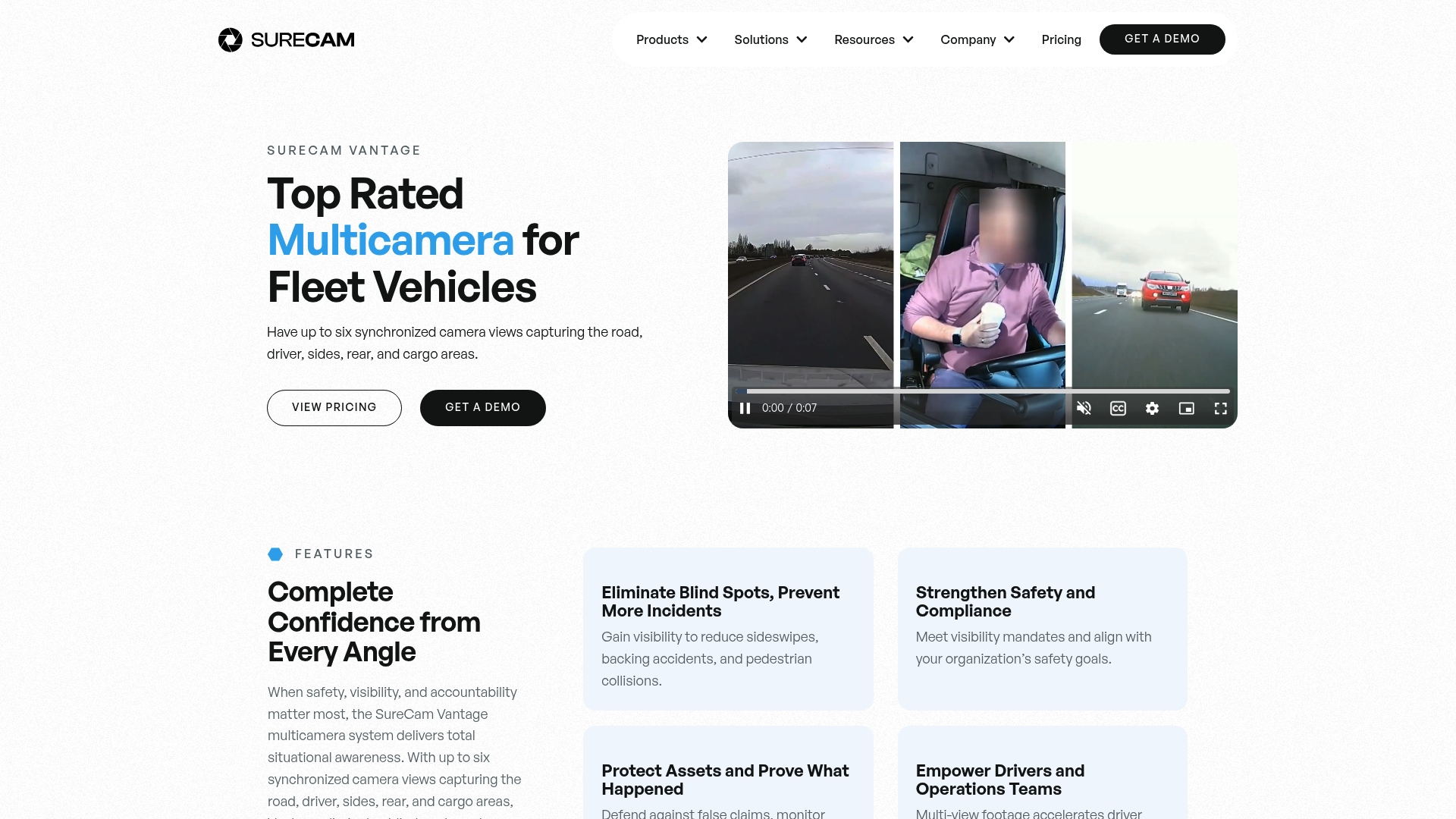
Whether you manage a small service fleet or a large commercial operation, the business fleet management solutions available through SureCam are built to deliver measurable safety and efficiency results. From front-facing cameras to multicamera systems for complex vehicles, the fleet dash cameras on offer are designed to integrate seamlessly with telematics workflows. Request a demo to see how the platform maps to the operational goals covered in this guide.
Frequently asked questions
What types of data does fleet telematics collect?
Fleet telematics typically records GPS location, speed, driver behavior, engine diagnostics, and sometimes video footage from dash cams. The exact data points depend on the hardware installed and how the system is configured.
How does telematics improve driver safety?
Telematics monitors driving behavior and enables real-time and post-trip feedback, giving managers the evidence they need to coach drivers and reduce risky habits before they lead to accidents.
What privacy issues should I consider with camera-equipped telematics?
Managers must address footage access, retention periods, and whether recording extends into off-duty periods to stay compliant with privacy regulations and maintain driver trust.
Is fleet telematics difficult to set up and use?
Modern hardware is largely plug-and-play, but real results depend on configuring thresholds, workflows, and integrations that allow your team to act on the data rather than simply collect it.