

Choosing the wrong vehicle tracking system doesn't just waste budget. It creates blind spots in your operations, leaves you exposed to liability claims, and makes it harder to coach drivers toward safer habits. With GPS trackers, telematics platforms, video telematics, and RFID systems all competing for your attention, the selection process can feel like navigating a maze without a map. This guide cuts through the noise, breaks down each system type clearly, and gives you a practical framework for matching the right technology to your fleet's real-world priorities.
Table of Contents
- Understand your fleet's tracking needs
- Core types of vehicle tracking systems
- Comparing vehicle tracking systems for fleets
- Making the right choice for your fleet
- Why the right tracking system is more than a tech choice
- Fleet tracking solutions made simple with SureCam
- Frequently asked questions
Key Takeaways
| Point | Details |
|---|---|
| Know your needs | Choosing a tracking system starts with matching features to your fleet’s unique requirements. |
| Understand system types | Each type—GPS, telematics, and video—offers distinct advantages for different operational goals. |
| Compare for value | Side-by-side comparisons make it easy to shortlist systems that maximize ROI and safety improvements. |
| Adoption is critical | Success depends on how well your team leverages tracking data, not just the tech itself. |
| Expert guidance helps | Consulting with a trusted provider streamlines decision-making and supports long-term fleet growth. |
Understand your fleet's tracking needs
Before you evaluate a single vendor or compare pricing tiers, you need to get honest about what your fleet actually needs. Not what sounds impressive on a product sheet, but what directly addresses your most expensive operational problems.
Start by identifying your core pain points. Are fraudulent accident claims draining your insurance budget? Is fuel waste eating into margins on long-haul routes? Are you struggling to prove driver compliance during audits? Each of these problems points toward a different system capability. When you're choosing video telematics or any tracking solution, the features that matter most are the ones that solve your specific challenges, not the longest feature list.
Here are the key criteria to evaluate before you start comparing systems:
- Real-time location tracking: Essential for dispatching, customer ETAs, and theft recovery
- Video integration: Critical for accident liability defense and driver coaching
- Driver behavior monitoring: Speeds, harsh braking, cornering, and phone use data
- Scalability: Can the system grow from 10 vehicles to 100 without a platform overhaul?
- Total cost of ownership: Hardware, monthly fees, installation, and training costs combined
- Compliance reporting: Hours of service logs, inspection records, and audit-ready data exports
- Insurance impact: Does the system generate data your insurer will accept for premium negotiations?
Theft prevention is another underrated factor. If your fleet operates in high-risk areas or carries expensive equipment, asset-level tracking becomes as important as vehicle-level tracking. Some industries, like construction and utilities, need both.
Pro Tip: Before you request a single demo, write down your top three operational problems and rank them by cost impact. Every system you evaluate should be scored against those three problems first. Features that don't address them are noise.
Core types of vehicle tracking systems
Once you've mapped your priorities, you can assess each system category with clear eyes. There are five major types of vehicle tracking systems used in commercial fleets today, and each has a distinct role.
1. GPS-based tracking systems
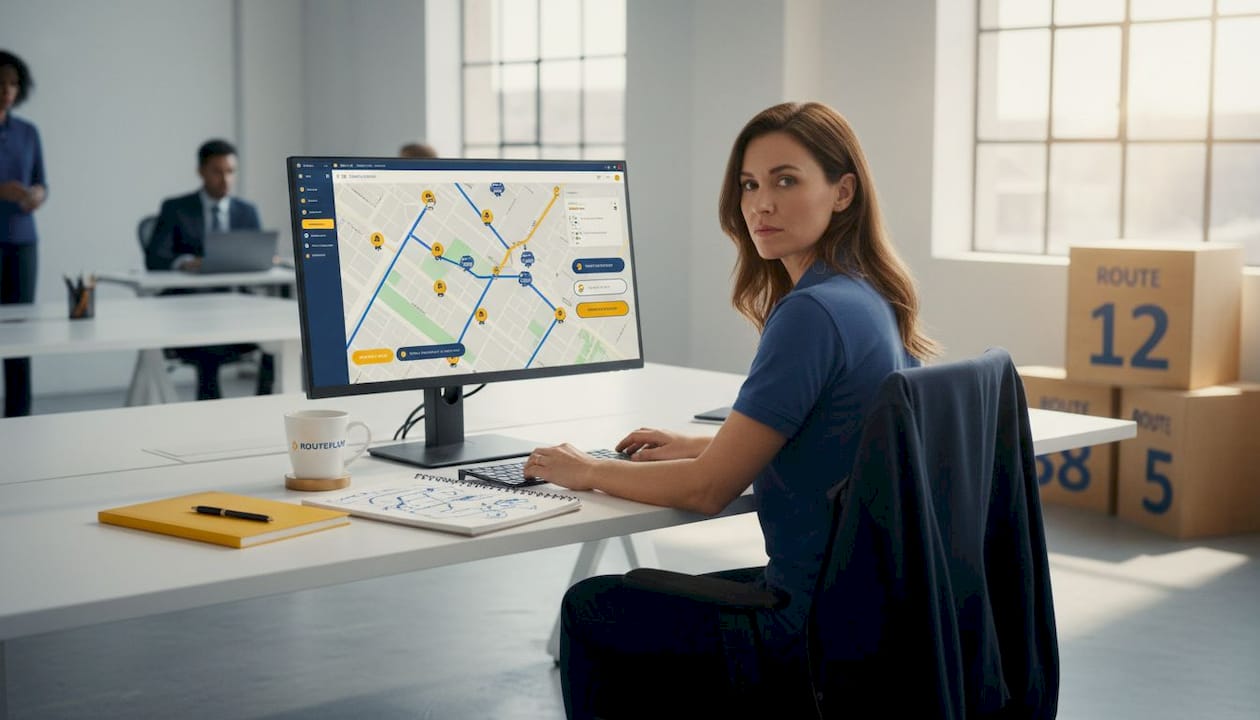
GPS systems are the entry point for most fleets. They provide real-time vehicle location, route history, geofencing alerts, and mileage logging. They're relatively affordable, easy to install, and work well for basic dispatching and route optimization. The limitation is that GPS alone tells you where your vehicles are, not how they're being driven or what's happening inside the cab.
2. Telematics platforms
Telematics goes a layer deeper. These systems pull data from the vehicle's onboard diagnostics port (OBD), giving you engine health, fuel consumption, idling time, speed patterns, and driver behavior scores. Fleet dash cameras with telematics show that combining performance analytics with location data creates a much stronger picture of fleet efficiency. Telematics platforms are especially valuable for fleets focused on fuel cost reduction, predictive maintenance, and driver performance programs.
3. Video telematics systems
Video telematics is where safety and accountability converge. These systems combine GPS and telematics data with in-cab and forward-facing cameras that record continuously and trigger event-based clips. When a harsh braking event or collision occurs, the system captures footage automatically and uploads it to the cloud. Video telematics explained in full detail shows how this technology gives fleet managers the ability to review incidents objectively, coach drivers with real footage, and defend against fraudulent claims with irrefutable evidence.
4. RFID and barcode asset tracking
These systems are less about vehicles and more about what's in or on them. Radio frequency identification (RFID) tags and barcode scanners track tools, equipment, and cargo as they move between vehicles, job sites, and warehouses. For fleets in construction, field services, or medical supply, this layer of tracking prevents asset loss and keeps inventory accurate without manual counts.
5. Cellular-based tracking systems
Cellular trackers use mobile networks rather than dedicated GPS infrastructure. They work well in urban environments with strong signal coverage and are often used for trailers, equipment, and assets that don't have onboard power. They're a practical option for tracking non-powered assets between jobs.
Pro Tip: Don't overlook hybrid solutions that combine video telematics with GPS and driver behavior analytics in a single platform. The integration eliminates data silos and gives you one dashboard instead of three, which means faster decisions and less administrative overhead.
The fleet safety improvements that come from combining video with telematics data are well documented across industries. Fleets that rely on GPS alone often find they're missing the context needed to understand why incidents happen, not just where.
Comparing vehicle tracking systems for fleets
With a clear picture of each system type, the next step is comparing them against the criteria that matter most to your fleet. The table below summarizes how each system performs across key selection factors.
| System type | Real-time location | Driver behavior data | Video evidence | Asset tracking | Avg. cost tier | Best for |
|---|---|---|---|---|---|---|
| GPS tracking | Yes | No | No | Limited | Low | Basic routing, mileage logs |
| Telematics platform | Yes | Yes | No | No | Medium | Performance, fuel, maintenance |
| Video telematics | Yes | Yes | Yes | No | Medium-High | Safety, liability, coaching |
| RFID/barcode | No | No | No | Yes | Low-Medium | Equipment, cargo, inventory |
| Cellular tracker | Yes | No | No | Yes | Low | Trailers, non-powered assets |
| Hybrid (video + telematics) | Yes | Yes | Yes | Optional | Medium-High | Full-fleet oversight |
A few important callouts from this comparison:
For liability defense: Video telematics has no competition. When a third party files a fraudulent accident claim against one of your drivers, GPS data alone won't win the case. Video footage from the moment of impact will. Fleets using video telematics benefits consistently report faster claim resolution and lower settlement costs.
For performance management: Telematics platforms give you the richest driver behavior data. If your primary goal is reducing fuel spend or building a driver scorecard program, a telematics-focused system gives you the granular metrics you need.
For mixed fleets with equipment: A combination of vehicle-level video telematics and RFID asset tracking gives you end-to-end visibility across both your vehicles and your valuable cargo.
According to safety-first fleet management principles, fleets that integrate telematics with dash cam video report measurable reductions in at-fault accidents, insurance claims, and driver coaching time. The data doesn't just inform decisions; it changes driver behavior proactively when drivers know incidents are recorded and reviewed.
One thing the table can't capture is the cultural impact of each system. A GPS tracker is largely invisible to drivers. A video telematics system, by contrast, creates a clear accountability signal. That visibility alone often reduces risky driving behaviors before a single coaching conversation happens.
Making the right choice for your fleet
Now that you have the comparison framework, here's a practical decision process to help you move from evaluation to selection without second-guessing yourself.
Step-by-step selection process:
- Define your top three problems by cost impact, as mentioned earlier. Be specific. "Reduce accidents" is too vague. "Reduce rear-end collision claims that cost us $80,000 last year" is actionable.
- Set your budget range including hardware, installation, monthly subscription, and a realistic estimate for staff training time.
- Map each system type to your top problems using the comparison table above. Eliminate any system that doesn't address at least two of your three priorities.
- Shortlist two or three vendors that offer the system type you've identified. Request demos using your actual fleet scenarios, not generic presentations.
- Evaluate integration capability. Can the system connect to your existing dispatch software, payroll platform, or maintenance management tools? Fleet operation management becomes significantly easier when tracking data flows into the tools your team already uses.
- Pilot before you commit. A 30 to 60 day pilot on a subset of vehicles gives you real performance data before a full rollout. Track your target metrics from day one so you have a before-and-after comparison.
- Plan for adoption. Identify a driver champion in your team who can help build buy-in. Systems that drivers understand and accept deliver better outcomes than systems imposed without context.
Scenario-specific recommendations:
- Small fleet, fast ROI: An all-in-one video telematics system gives you location, behavior data, and video in one platform without managing multiple vendors.
- Large fleet, insurance priority: Video telematics with cloud storage and AI-based event detection gives insurers the safety data they need to justify premium reductions.
- Construction or utilities: Combine video telematics on vehicles with RFID tracking for equipment and tools to get full-site visibility.
- Long-haul trucking: Telematics with hours-of-service compliance features and forward-facing cameras covers both regulatory requirements and safety.
When evaluating fleet camera systems for your specific scenario, look for platforms that are built to scale. A system that works for 15 vehicles but requires a complete overhaul at 50 is a hidden cost that rarely appears in initial quotes.
"The fleets that get the most from tracking technology are the ones that treat it as an operational tool, not a surveillance system. When drivers understand that the data protects them as much as it holds them accountable, adoption goes up and results follow." This perspective, shared by experienced fleet safety managers, reflects a pattern seen consistently across industries: technology performs best when it's integrated into culture, not bolted on top of it.
The role of telematics and advanced tracking in optimizing fleet management is well established, but the implementation approach determines whether you realize those gains or just add another software subscription to your overhead.
Why the right tracking system is more than a tech choice
Here's an uncomfortable truth that most vendor conversations won't surface: the system you choose matters far less than how you use it.
We've seen fleets invest in premium video telematics platforms and see almost no measurable change in safety outcomes. We've also seen fleets with mid-tier systems cut accident rates significantly within six months. The difference is never the hardware. It's always the integration of the technology into daily operations, driver communication, and management accountability.
The instinct to add more sensors, more cameras, and more data feeds is understandable. More data feels like more control. But complexity without adoption is just expensive noise. A driver who doesn't understand why footage is reviewed, or who sees the system as punitive rather than protective, will resist it. That resistance undermines the entire investment.
Real operational gains come from three things working together: the right system, a clear coaching process built around the data it generates, and consistent management follow-through. Understanding video telematics at a technical level is useful. Understanding how to build a driver coaching workflow around it is what actually moves the needle.
The fleets that outperform their peers aren't necessarily running the most sophisticated technology. They're running systems their teams actually use, with managers who review data regularly, drivers who receive timely and fair feedback, and workflows that connect tracking insights to real operational decisions. Choose the system that your team will adopt, not the one that looks best in a demo.
Fleet tracking solutions made simple with SureCam
Bringing it all together, here's how SureCam helps fleets turn tracking strategy into results.
SureCam's platform covers the full spectrum of what commercial fleets need: GPS location tracking, integrated telematics, and advanced video telematics with AI-powered event detection, all in one connected system. Whether you're managing a small local fleet or a large multi-region operation, SureCam's fleet dash cameras are built for fast installation and immediate visibility.
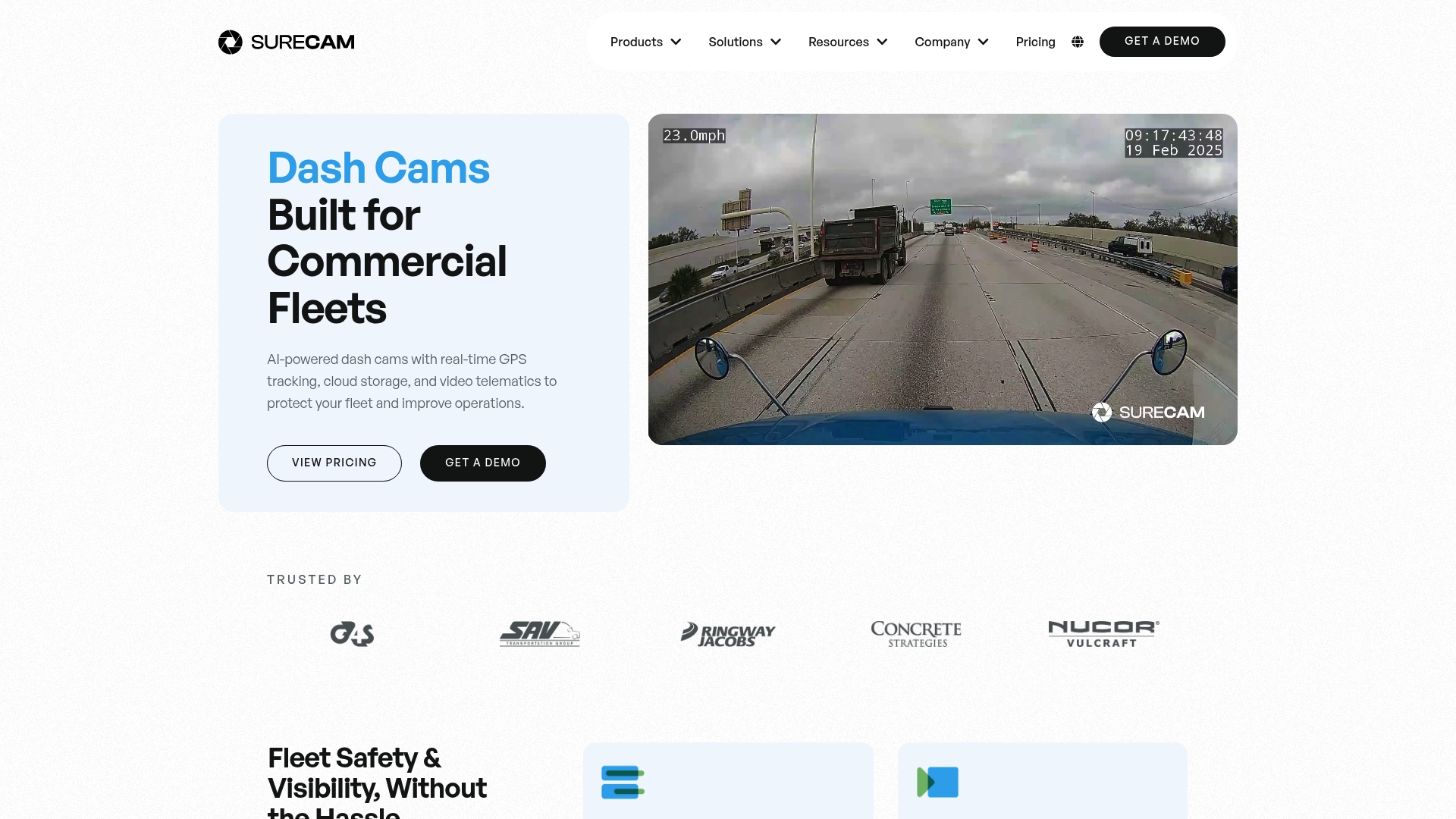
For fleets that need real-time visibility, SureCam's live streaming dash cams give managers the ability to check in on any vehicle at any moment, not just after an incident. Cloud storage, driver coaching tools, and seamless integration with existing fleet management software mean your team spends less time managing the system and more time acting on its insights. Explore SureCam's full lineup and find the right fit for your fleet at fleet camera systems for business owners.
Frequently asked questions
What is the difference between GPS tracking and video telematics?
GPS tracking focuses on vehicle location and route history, while video telematics combines location data with in-vehicle camera footage to provide incident evidence, driver behavior analysis, and real-time safety insights.
Which vehicle tracking system is best for small fleets?
Small fleets benefit most from all-in-one platforms that combine GPS, telematics, and video in a single subscription, since choosing video telematics as a unified solution reduces vendor complexity and delivers faster ROI without managing multiple systems.
Can I integrate a new tracking system with my existing fleet management software?
Most modern tracking platforms support API integrations with popular fleet management and dispatch tools, and video telematics platforms in particular are increasingly designed with open integration frameworks to fit into existing workflows.
How do tracking systems improve insurance deals for fleets?
Tracking systems generate driver behavior and safety data that insurers use to assess risk more accurately, and fleets with strong safety records backed by video telematics data often qualify for meaningful premium reductions and faster claim resolutions.